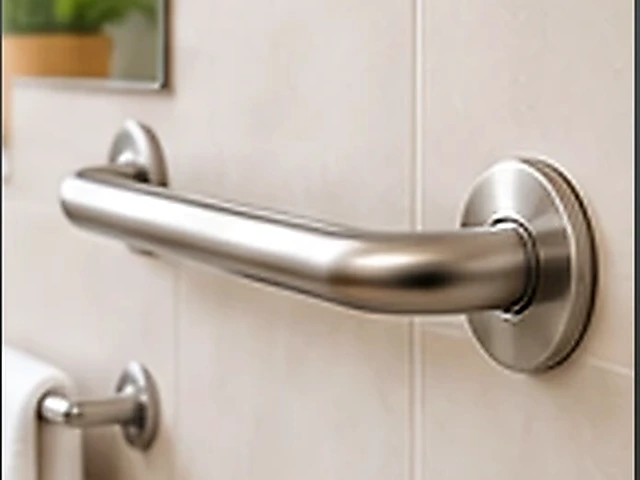
Grab bars are most useful when the placement matches the movement that needs support and the mounting method matches the actual wall. A bar beside a toilet, at a shower entry or inside a bathing area can serve a different motion. The project should begin with the user’s transfer, standing or balance need, then work backward to the location, orientation and mounting surface.
CA-GoodHome is based in Los Angeles, California and serves California. Call (223) 226-1828 with the property location, photos of the intended area and a description of where support is needed.
Related paths: Safety & Accessibility.
Start With the Movement, Not the Hardware
Choosing a grab bar by length and finish before deciding where support is needed can lead to poor placement. Think about the actual movement: stepping into a tub, entering a shower, rising from a toilet, turning in a wet area or moving through another transition. The bar should be discussed in relation to that use rather than treated as a decorative accessory.
If the project includes several safety changes across the bathroom or home, Bathroom Safety Installation or Mobility & Aging-in-Place Modifications may be a better starting point. The dedicated Grab Bar page is for a focused support-bar installation request.
Wall and Surface Conditions
Grab bars can encounter drywall, tile, stone, fiberglass surrounds and other finished surfaces. What matters is not only the visible surface but the support behind the mounting points. Existing framing, backing, wall construction and manufacturer hardware can affect placement choices.
Tile and other brittle finishes also change how mounting holes are approached. Wall conditions matter because tile, drywall, wood framing and masonry require different attachment decisions. If the wall has unknown backing, damage or a complex surround, share photos before the project is scoped.
Placement and Orientation
Horizontal, vertical and angled bars can serve different movements. A vertical bar near an entry can support a hand during a step or transition. A horizontal bar can provide a longer area to grasp. An angled bar changes the hand position along the movement path.
There is no single placement that fits every person and every bathroom. Residential accessibility needs depend on the person’s intended movement, the room and any standards that apply to the actual project. Discuss the support location and mounting conditions before choosing the bar.
Grab Bars vs. Handrails and Other Safety Modifications
Handrail Installation is a better match for stairs, longer walking paths and other areas where continuous support is needed. Toilet Safety Installation covers toilet-focused support products beyond a wall-mounted bar. Wheelchair Ramp Installation addresses an entry and mobility need that is outside the grab-bar scope.
A broader aging-in-place project can combine several modifications. List the locations and movements that need support so a focused grab-bar installation can be distinguished from changes to several parts of the home.
What to Share Before Installation
Send or describe the room, the preferred area, wall finish, existing fixtures and who will use the support. Photos taken from more than one angle can help show clearances around faucets, shower doors, toilets, towel bars and other obstacles.
If a specific grab bar has already been purchased, provide the product information and mounting instructions. Do not assume a published weight rating or compliance claim applies to the installed result until the product, wall and actual installation are known.
Related Safety and Accessibility Services
Bathroom Safety Installation is useful when the project includes several bathroom modifications. Handrail Installation covers stair and walking support. Mobility & Aging-in-Place Modifications provides the broader planning path. Toilet Safety Installation and Wheelchair Ramp Installation handle their own specific needs.
For several changes across the home, browse safety and accessibility services. Identify the movement and location needing support so a focused grab-bar installation is distinguished from a broader modification project.
Frequently Asked Questions
Can grab bars be installed through tile?
Tile can be part of the project, but the wall construction, mounting points and hardware have to be considered for the actual location.
Does this service promise ADA compliance?
Applicable accessibility requirements depend on the property and project. The proposed product, placement, supporting construction and installation need to be assessed against those requirements; fitting a grab bar alone does not establish compliance.
What if the needed support point does not line up with framing?
That condition should be identified during scope planning. The service does not promise a specific hidden-wall solution without seeing the actual conditions.
Request Grab Bar Installation
Call CA-GoodHome at (223) 226-1828 with the California location and photos of the area. Explain the movement or location that needs support rather than only naming a bar size.
Related Services
Discuss your project
Share the service, California city or ZIP, and the main project details.