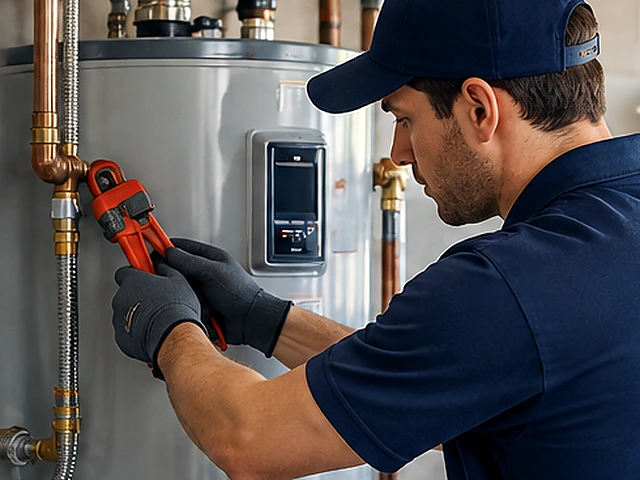
A heat-pump or hybrid water heater is a storage water heater that uses heat from the surrounding air. Planning a new installation or replacement involves the installation space, airflow, electrical supply, condensate drainage and household hot-water use. CA-GoodHome is based in Los Angeles, California and serves California.
Share the existing heater type, selected model if any, and photos of the proposed location. A change from gas or conventional electric equipment can affect more than the heater itself. Electrical upgrades, drainage changes and work needed to make the location suitable must be identified separately.
Related paths: Services Hub, Tank Water Heater, Gas Water Heater.
Heat Pump / Hybrid Water Heaters
The heater includes a storage tank and a heat-pump section with a compressor and fan. Some models also use resistance heating in selected operating modes. The available space must accommodate the complete unit, service access and its connections, not just the tank diameter. This service concerns water heating; space-heating and cooling equipment belongs to the HVAC services.
Where Heat Pump Systems Fit Best
Suitability depends on the selected model and the actual installation location. A garage, utility room or other proposed space must meet that model's ambient-temperature and airflow requirements. Noise and the effect on the surrounding space also matter. A photograph and room dimensions help identify questions, but they do not replace checking the equipment instructions.
Space, Airflow and Location Considerations
Provide the room dimensions, ceiling height, door or louver arrangement and nearby obstructions. The unit needs the airflow and clearances specified by its manufacturer, plus access for maintenance. An enclosed space may require a different arrangement from an open room. Any ducting or changes to the enclosure should be scoped before the replacement is treated as a like-for-like installation.
Electrical and Condensate Requirements
Electrical requirements vary by model, so the existing circuit cannot be assumed compatible. Supply the equipment specifications and any electrical information already available without opening panels or equipment. Condensate also needs an appropriate discharge route. A new circuit, electrical upgrades or a condensate pump or drain modification is a separate planning item.
Replacing a Gas or Electric Tank System
A replacement must account for the existing fuel source, water connections, available space and how the old equipment will be disconnected. Converting from gas adds questions about the former gas and vent connections as well as the new electrical supply. Use water heater replacement when the main request is to replace existing equipment, and identify the proposed heat-pump model.
Efficiency and Operating Modes
Operating-mode choices affect how the heater responds to demand and uses its available heating components. Compare the selected model's instructions with household usage and the installation environment. Energy costs, savings and recovery performance depend on those conditions; no universal result or incentive eligibility is assumed. The equipment and installation requirements should be settled before relying on a projected benefit.
What to Share Before Installation
Send the current and proposed model numbers if known, photos of the heater and room, approximate dimensions, the existing fuel source and the desired outcome. Mention access through doors or stairs and any previous hot-water shortages. Describe the available condensate route and electrical information already on hand; unknown details can be identified for assessment.
Related Water Heater Options
A conventional electric water heater has different space and electrical considerations from a hybrid model. Gas water heaters involve fuel and venting requirements, while point-of-use heaters serve a particular fixture or area. Comparing these options starts with demand, utilities and installation conditions.
For a storage-system comparison, review tank water heaters. The service catalog separates equipment types from repair, installation and maintenance requests.
Frequently Asked Questions
Is there enough space and airflow?
That can only be determined for the selected model and location. Share room dimensions, openings and obstructions, then compare them with the manufacturer's airflow, clearance and ambient-condition requirements. A heater fitting through the doorway does not establish suitability.
What electrical service is available?
Provide the current heater type, selected equipment specifications and any circuit information already known. Compatibility requires electrical review; neither an existing gas connection nor an old electric-heater circuit establishes that the proposed model can be connected without changes.
Is this replacing a gas or electric tank?
Identify the existing fuel source and model. A gas-to-hybrid conversion can involve changes to electrical supply and the old fuel and vent connections. An electric-to-hybrid replacement still needs review of circuit compatibility, space, airflow and condensate.
Where will condensate drain?
Identify any existing drain or proposed route near the unit. The route, discharge arrangement and any need for a pump must suit the equipment and property. Condensate handling should be defined before installation, rather than treated as an incidental detail.
Call About Heat Pump / Hybrid Water Heater
Call CA-GoodHome at (223) 226-1828 with the California city or ZIP and the project details that matter most for heat pump / hybrid water heater: room volume/airflow, condensate, electrical supply, noise/location, climate/ambient conditions and replacement goals. If the work crosses into a related service, use the related links on this service to identify that scope before the call.
Related Services
Discuss your project
Share the service, California city or ZIP, and the main project details.