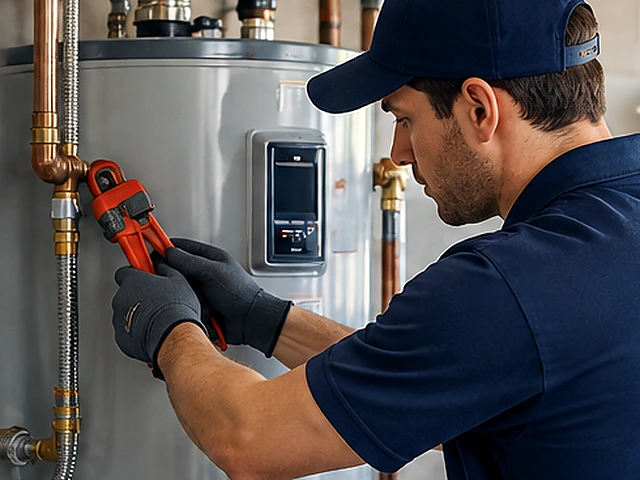
CA-GoodHome provides hot-water recirculation pump installation for California properties. The project concerns circulating hot water through a compatible plumbing arrangement to address the intended fixture-wait-time goal. It is separate from replacing the water heater or broadly repiping the home.
Describe which fixtures take time to receive hot water, the installed heater and any existing recirculation equipment. Feasibility depends on the piping layout, return arrangement, controls and power access. Electrical and plumbing modifications should be specifically identified.
Related paths: Services Hub, Expansion Tank Installation, Water Pressure Regulator / Reducing Valve.
Hot Water Recirculation Pump Installation
A recirculation project connects a suitable pump and controls to a compatible return path or system arrangement. The pump alone does not determine whether the project will work with the existing piping and heater.
The services hub distinguishes this supporting project from other water-heater work. State whether the request adds recirculation, replaces existing components or investigates a system that no longer behaves as expected. Those starting conditions need different assessment.
Dedicated Return Line vs. Retrofit Approaches
A dedicated return line and a retrofit arrangement use different plumbing conditions. Identify whether a return line is known to exist, and provide available drawings or photographs rather than guessing from a single visible pipe.
Where no dedicated return is available, any proposed retrofit must suit the actual system and selected equipment. It should not be assumed that every property accepts the same approach. Creating a new piping route can also affect access and surrounding repairs beyond the pump connection.
Timer, On-Demand and Control Options
Controls determine when the circulation system operates. A timer-based arrangement follows a schedule, while an on-demand approach is intended to respond to a request. Available options depend on the compatible equipment and system design.
Describe when hot water is normally needed and whether the pattern varies. Control choices should follow that use, with access and setup requirements identified before installation. No universal wait-time or savings outcome should be assumed from the control label alone.
Compatibility With Tank and Tankless Systems
The heater model matters as well as whether it is a tank or tankless system. Existing internal controls, recirculation features and the proposed pump arrangement need to be assessed together.
Provide the heater and pump model information if available. Adding a separate component should not bypass or conflict with the equipment’s intended arrangement. If the heater has a fault, water heater repair may be needed before recirculation is considered as the answer to a hot-water complaint.
Pump Location, Power and Plumbing Access
The selected installation location must account for the piping connection, power and access for the equipment. Show the area around the heater and any other proposed component location, including cabinet or room constraints.
New electrical work, altered piping routes and repairs to opened surfaces need explicit scope. A compact pump does not establish that the surrounding installation will be minor. State any access that must remain available to other household equipment.
When Recirculation Is a Separate Project
Recirculation addresses distribution and use patterns; it is not the same as controlling incoming water pressure or accommodating system expansion. Water pressure regulator / reducing valve service and expansion tank installation have their own assessment and component-selection needs.
Likewise, water heater earthquake / seismic safety concerns support and restraint rather than circulation. If several improvements are requested around the heater, identify each one so a pump installation does not imply that every supporting issue is covered.
What to Share Before Installation
Provide the California location, heater type and model, photographs of existing pump or control equipment and any known return-line information. Identify the fixtures involved and their approximate position relative to the heater.
Describe the current wait pattern and preferred control approach without trying to trace concealed pipes yourself. Use the contact page to explain those conditions and the desired result. Actual piping routes and compatibility need assessment before the installation scope is settled.
Frequently Asked Questions
Is there a dedicated return line?
Share known drawings, prior installation information or visible equipment photos. Do not assume a pipe’s function from appearance; the return arrangement needs assessment.
Tank or tankless system?
Provide the heater model as well as its type. Recirculation compatibility depends on the actual equipment and controls, not just the category.
How far are the fixtures from the heater?
Describe their locations and the wait pattern. Approximate distances are useful background, but concealed routing can differ from straight-line distance.
What control method is preferred?
Explain whether use follows a schedule or varies through the day. Timer and on-demand options need to fit the selected system and household routine.
Call About Hot Water Recirculation Pump
Call CA-GoodHome at (223) 226-1828 with the California city or ZIP and the project details that matter most for hot water recirculation pump: existing plumbing layout, wait-time/temperature goal, pump location, controls and whether a dedicated return exists. If the work crosses into a related service, use the related links on this service to identify that scope before the call.
Related Services
Discuss your project
Share the service, California city or ZIP, and the main project details.